

Taking full control of climate impacts at all stages
Concept is a complete tool that delivers reliable climate calculations directly from your 3D models, cost calculations or generated quantities. You improve the quality of your calculations, create better work processes and have more time to focus on real climate performance.


The most powerful climate calculation tool on the market
Our unbroken chain of information between different stages makes it easy to make climate calculations at different points in the process, from the earliest sketch to the climate declaration and everything in between. Everything can be done in one system, creating a whole new level of collaboration.

Future-proof your projects
from start to finish
Concept helps you identify and minimize climate impact early in the project. This gives you a head start in meeting
tough legal requirements and future environmental certifications.
Get started quickly and easily
Concept is built with the user in mind. It only requires a few hours of introduction to get started. The tool is easy for anyone in the project to use without climate or environmental expertise or extensive training.
Save time and resources
By making early calculations in Concept, you reduce the risk of costly problems later in the process, increasing the reliability of the project right from the start.
Make detailed climate calculations
faster than ever
With Concept, you can easily perform reliable climate calculations from the early stages of the project to the finished building. The tool offers precise insights based on open and verified climate data, allowing you to make data-driven decisions that ensure minimal future climate impact.
Quick and easy visualization of your models
Concept loads and visualizes your models in under three seconds, allowing you to quickly compare different sketches, material choices and scenarios.
Integration with your
existing tools
With Concept, you start from your cost estimate, IFC model or generated quantities. It works seamlessly with most drawing tools such as Archicad, Revit and SketchUp.

From sketch to reality - Concept makes it easy
How does it work?
Concept uses the latest open climate data from sources like Boverket and Resurshubben. Import your sketches and models in IFC format or calculations, and make climate calculations directly in the tool to compare building systems and material choices and their climate impact.
Why use Concept?
Concept is an effective solution to meet future legal requirements and environmental certifications, while allowing you to visually communicate climate impact. It is easy to integrate, allowing your whole team to work on climate calculations and strengthen your tenders.

The ultimate tool for the architecture of the future
Concept makes climate calculations inspiring and helps architects win more bids and competitions through evidence-based design.

Win more tenders and position yourself as a climate advisor
With Concept, you can win more tenders and strengthen your business by offering climate assessments as part of your services. Effectively communicating your climate impact and meeting your climate targets makes you an invaluable partner for your customers.
Designing climate smart with evidence-based decisions
Concept provides you with reliable climate calculations based on environmental data from over 1,700 projects, ensuring that your design decisions are both aesthetically pleasing and maximally sustainable according to customer needs.
A tool tailored to architects' creative process
Concept is intuitive and user-friendly, easy to integrate into your work process. Compare sketches and scenarios at the touch of a button, stay creative and deliver accurate projects - without being an environmental expert.

The smartest tool for sustainable construction
Concept is the obvious tool for contractors who want to be one step ahead. With Concept, you can build smarter, optimize climate impact and stand stronger in tenders in an industry that places ever higher demands on sustainability.
Win more tenders and advance your positions in sustainability
With Concept, you can win more tenders and strengthen your business by offering climate assessments as part of your services. Effectively communicating your climate impact and meeting your climate targets makes you an invaluable partner for your customers.
Making climate-smart and evidence-based decisions
Concept provides you with reliable climate calculations based on environmental data from over 1,700 projects, ensuring that you can quickly and easily explore many options to maximize sustainability according to your customer's needs.
A tool that allows more people to make a long-term commitment
Concept is intuitive and user-friendly, easy to integrate into your work process. Compare material choices and scenarios at the touch of a button, stay creative and deliver precise projects - without being an environmental expert.

The tool that gives you full control over all climate calculations
Concept allows you to calculate all types of projects at all stages and brings all climate calculations together in one tool. Get a consistent structure and comparable results between projects, so you can steer towards your climate goals with precision.
Steer towards your climate goals with reliable data
Concept provides you with a common platform for all climate calculations, making it easy to monitor climate impact across all projects. You get access to reliable and comparable data to support decisions, reporting and strategic goals.
Making climate-smart and evidence-based decisions
Concept provides you with reliable climate calculations based on environmental data from over 1,700 projects, ensuring that you can quickly and easily explore many options to maximize sustainability according to your customer's needs.
A tool that engages the whole organization
Concept is intuitive and user-friendly. Everyone, from sustainability managers to project managers, can work in the same tool. This creates participation, increases knowledge and strengthens long-term commitment to reaching climate goals.

A tool to strengthen your role as expert and advisor
With Concept, you as an engineering consultant can support the client at every stage - from early climate assessments to finalized climate declarations. You get all the features you need to deliver reliable results, quickly and efficiently, whatever the size or complexity of the project.
Supporting your customers from early stage to climate declaration
Concept makes it easy to follow the customer's project all the way - from early design to finished building. You can quickly calculate different scenarios, provide guidance on the choice of materials and building systems, and deliver documentation for climate declarations and certifications such as Miljöbyggnad, BREEAM and others.
All certifications in one tool
With Concept, you get complete support for the most common certifications and climate requirements. You don't have to switch between multiple systems and can instead work efficiently in one tool - whether you are calculating for contractors, property owners or architects.
For those who want to be at the forefront
As a technical consultant, you will be a key partner in the work for more sustainable construction. Concept gives you access to the industry's most up-to-date climate data, and allows you to produce high-precision analyses and recommendations. This strengthens both your offer and the client's results.
Add-on modules to suit your needs
Climate declaration, full life cycle and circularity
Plant is unique in offering a complete solution for all needs. By adding our add-on modules, we cater to all different needs and you never have to change tools again.
Integrations
To make your work easier, Plant software integrates with the tools you already use. Plant and Byggvarubedömningen work together and the software integrates with common BI tools.

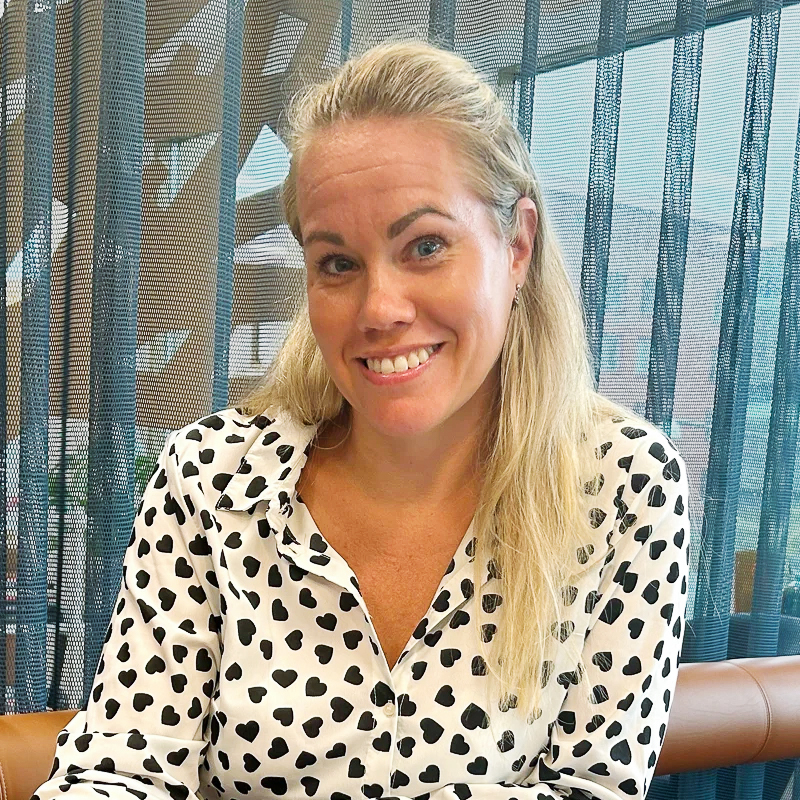
"We want to be at the forefront, so we chose Plant Concept"
Sweco

Book a demo of Plant Concept!
Fill out the form and we will get back to you shortly.
Frequently asked questions
Find answers to frequently asked questions about Concept.

It is designed for real estate developers, architects, contractors, technical and environmental consultants.
Software such as Archicad, Revit, Tekla and SketchUp that can export models in IFC format.
At every stage, from the initial sketch to the finished building and the climate declaration.
Even at the bidding stage, you can get a reliable picture of the project’s climate impact based on early assumptions regarding structural choices, materials, and finishes. As the project develops, you can easily continue working with sketches and models, compare different alternatives, and optimize the climate impact.
The results follow you throughout the entire process, creating a common thread from early decisions to the final climate declaration.
New construction, conversion and extension of virtually all building typologies.
We use open data and advocate transparency. The Resource Hub, data from the Swedish National Board of Housing, Building and Planning as well as EPDs from IVL and the Construction Sector Resource Hub, the Finnish Environmental Database, Norway EPD, German ÖKOBAUDAT and International EPD.
Yes. As part of our service, we collect and update climate data to ensure it is always current and reliable. If you’d like to use your own climate data, that’s also possible—either by entering it yourself or with our assistance.
Only a few hours of introduction. Concept is designed to be simple, effective and reliable. The tool can be used according to the stage and level of detail of the specific project. It can be used with a cost estimate or 3D model, both with and without your own 3D models. If sketches are used in the form of 3D models, they should be in IFC format.
Yes, you can. The tool allows you to create your own baselines/reference values. Based on these, you can seamlessly and efficiently compare different sketches and scenarios of building systems and material choices. Then compare the options against your client or organization's climate goals and legal requirements on climate emissions.
Yes. You can compare designs and scenarios against climate declaration requirements and work toward multiple certifications, such as BREEAM, the Nordic Ecolabel, and NollCO2. Concept is also designed to align with the EU Taxonomy and other sustainability frameworks.
You can get started with just an idea of the structural design, materials, and the building’s size. Once you have more information, you can continue working with cost estimates, manually entered quantities, bills of quantities, or 3D models in IFC format.
Initially, we have a first meeting together where Plant demonstrates how the tool works. You will be assigned an advisor who will support you in your first project to get started and get to know the software and follow up if needed.
By efficiently comparing the results of different scenarios and designs, your organization can make informed decisions at an early stage about different building systems, material choices and the climate impact of designs. The result provides a reliable basis for anchoring design with climate goals at an early stage and can seamlessly form the basis for further optimization in system documentation and beyond.





